
Dental Bonding

What is dental bonding?
When your teeth suffer from small chipping or spacing problems or even discoloration, our dentist may advise you of dental bonding as a procedure to solve the problem. It is a process which involves the use of a tooth-colored resin which bonds with your teeth to address a variety of dental problems. The resin used in dental bonding, easily sticks to different materials like your tooth enamel, dentin, metal, porcelain, ceramic, or zirconia.
It works like an adhesive and sticks to the rest of your tooth, making a chipped tooth look whole again. Similarly, it can be used for a crooked or misaligned tooth to give the tooth an appearance of being of the right size or shape.
Dental Problems Solved by Dental Bonding
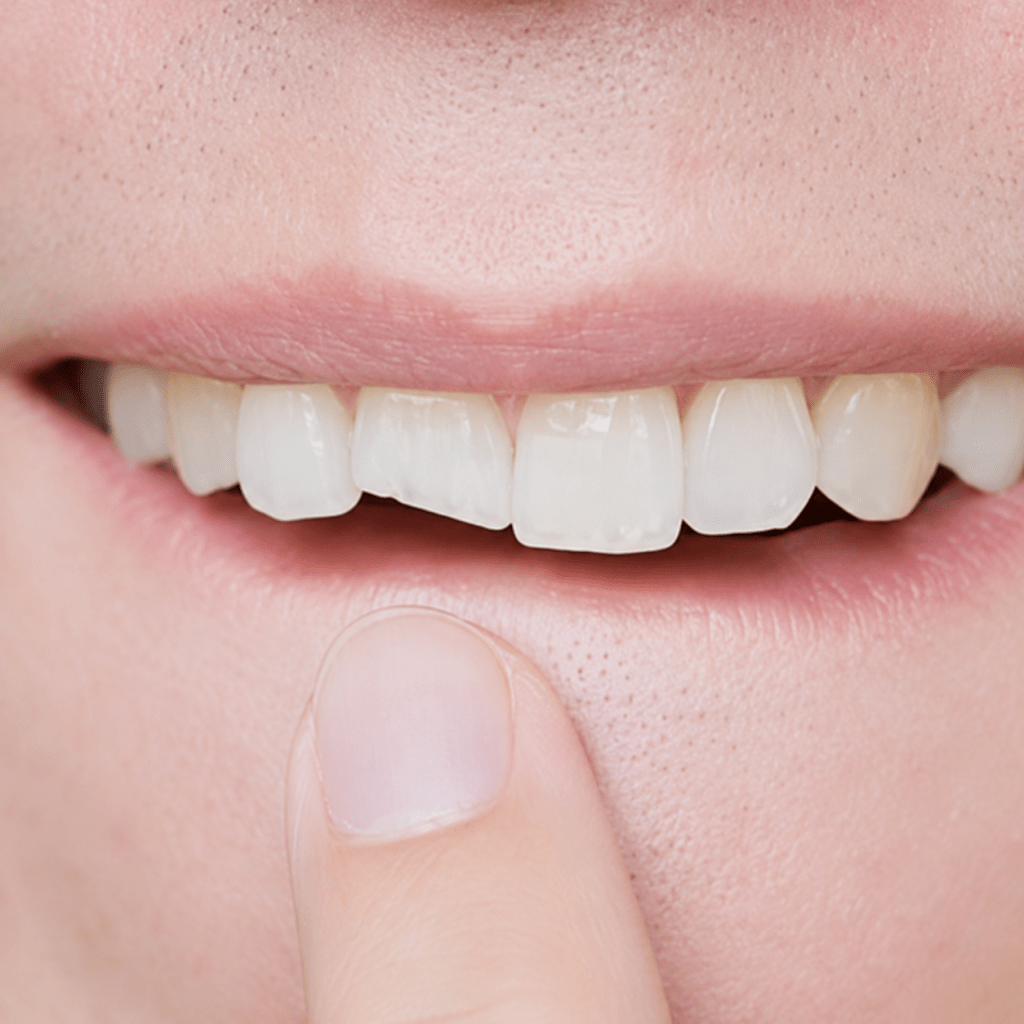
Minor chips
A chipped tooth can be easily fixed with the help of dental bonding making it easy for you to retain your natural smile.
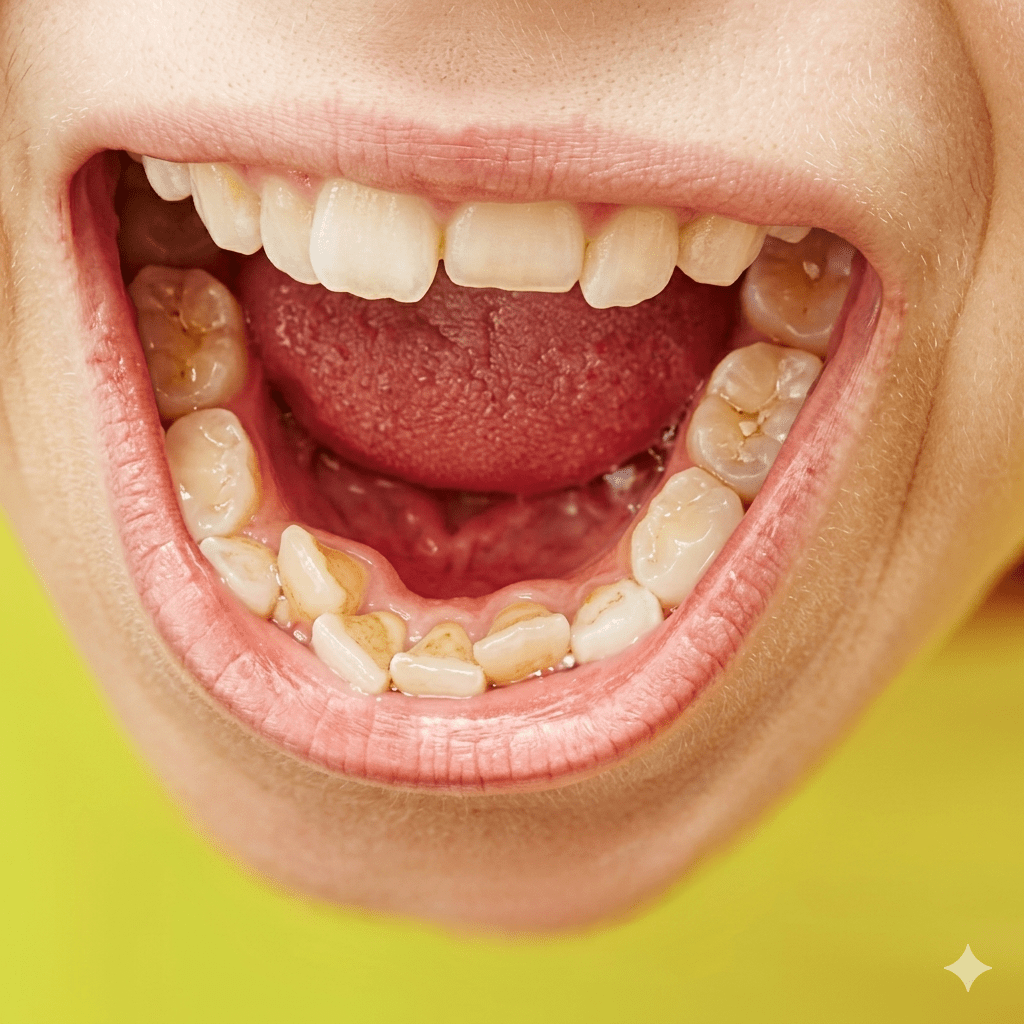
Unproportioned tooth size
Sometimes, a tooth may be relatively smaller than the rest of your teeth. If you feel unconfident about your smile, then dental bonding can solve the problem.

Poorly aligned teeth
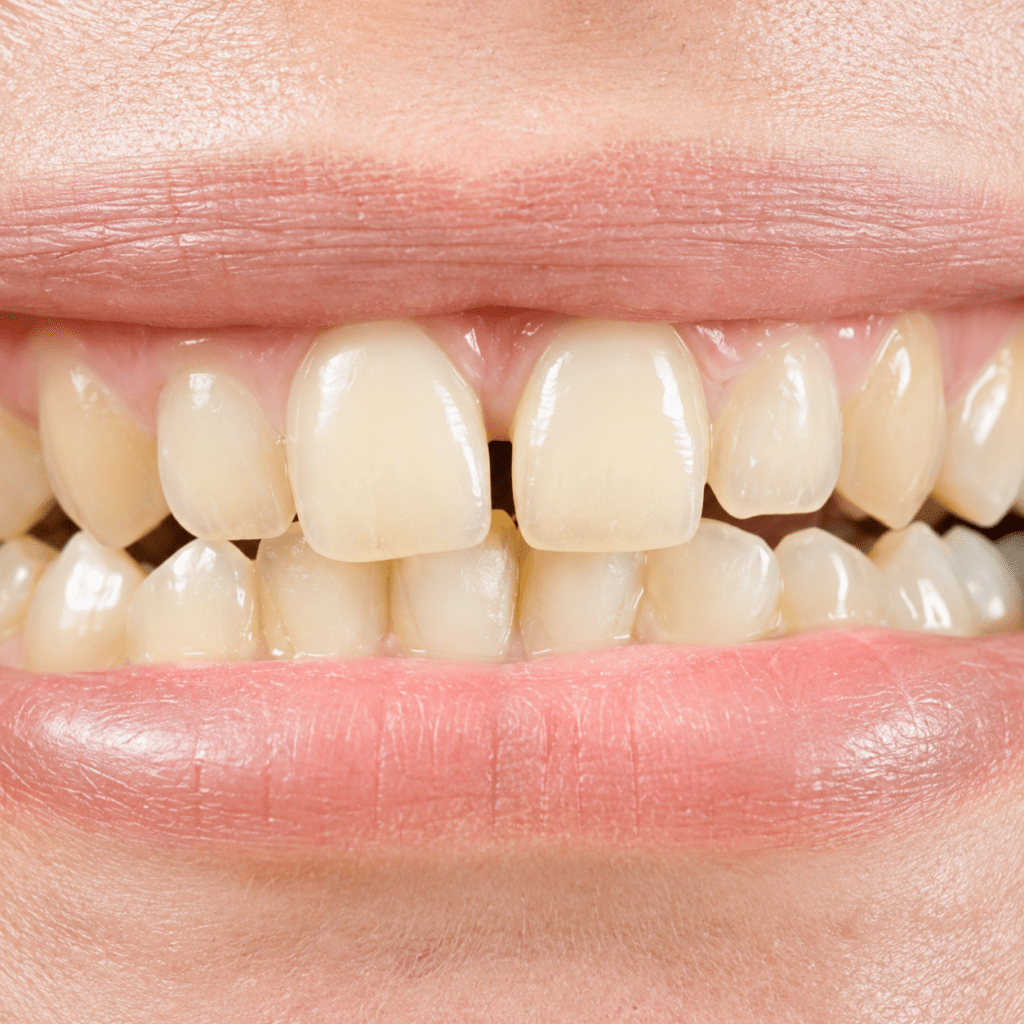
Improper teeth spacing
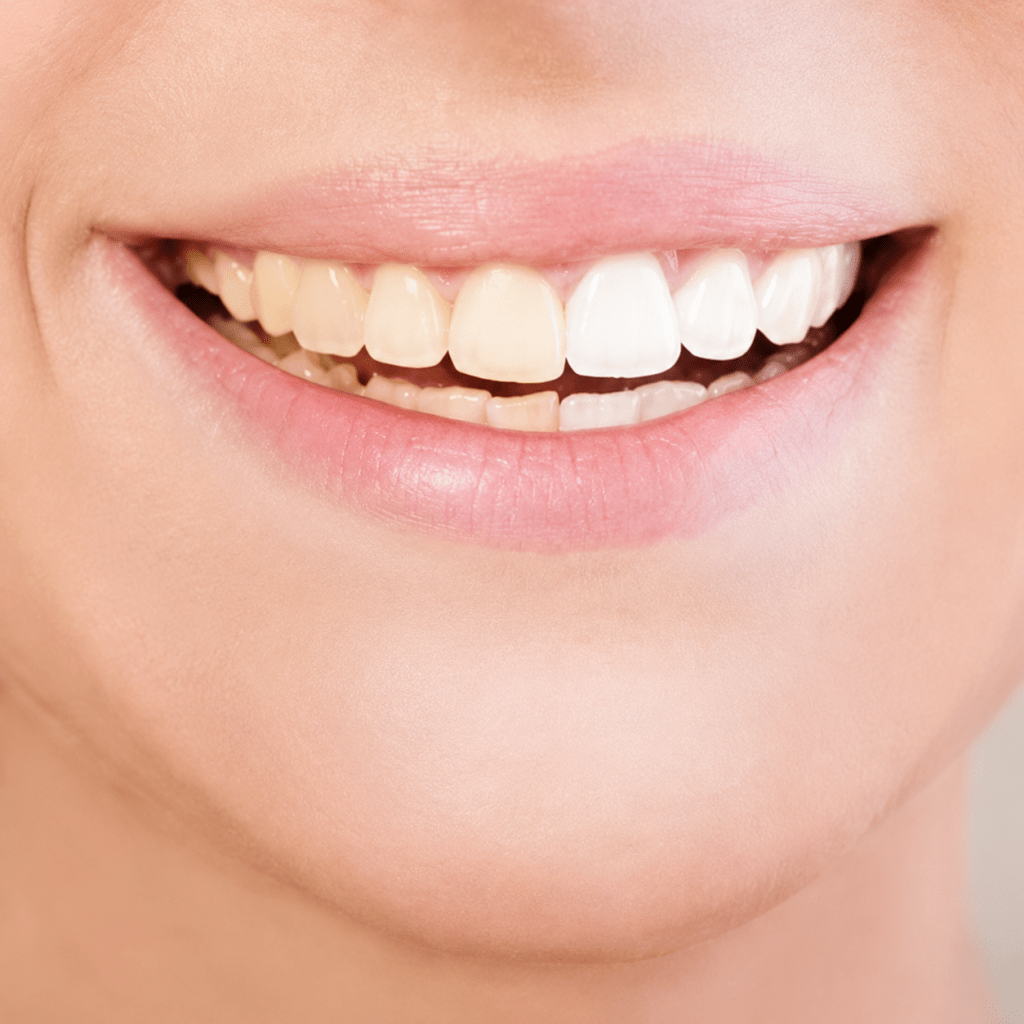
Discoloration
Sometimes teeth whitening procedures may not be able to fully restore the natural color of your teeth. So dental bonding can be used for fixing this problem.
Dental Bonding Procedure

Dental visit
All dental procedures begin with a visit. Our caring dentists will identify the problem and the possible solutions for fixing this problem. If dental bonding is seen as an appropriate solution, our dentist will check your teeth for decay and its suitability for dental bonding. Once it is agreed that dental bonding can be used for your teeth then another appointment may be fixed according to your convenience, or it can be carried out on the same visit.

Choosing the right shade of bonding agent
The next step is to choose a shade of bonding agent, which can match your current set of teeth. We try to look for a shade as close to your natural teeth. This way, your smile will appear natural. Our experienced dentists will help you choose the shade if you are unsure which one will be fit for your teeth.

Preparing your teeth

Applying the bonding material

How much does dental bonding cost in Blackburn, Melbourne?
Should I choose dental bonding or porcelain veneers?
A lot of our clients ask us how dental bonding would be different from porcelain veneers and which one would be more suitable to solve their dental problems. So, if you have a similar doubt in your mind, here are a few differences in the two procedures that can give you a clearer picture of what to expect.
Time taken
Dental problems they solve
Durability
Costs
How to take care of my teeth after dental bonding?

What is Dental Filling?
Teeth that has worn down or have suffered decay can be treated with the help of dental filling. It strengthens the affected teeth restoring its look and minimizing the chances of bacteria to set in and cause further damage to your teeth. Fillings are usually made out of more 3-amalgam, gold and composite resin.
Because mercury poses a health risk and is not safe for the environment, our dentists recommend the use of resin and gold for dental filling. While resin fillings last between 5 to 7 years, gold fillings can last a long time since it does not corrode and can withstand chewing hard foods too. An advantage of resin fillings is that the resin can be chosen to match the colour of your teeth so you can enjoy a more natural smile. Gold or silver fillings stand out and can be clearly seen, especially if they are done for teeth in the visible part of your smile.

White Fillings Treatment in Blackburn, Melbourne
- They are durable and resistant to fractures.
- Less tooth structure needs to be removed when restoring with white fillings.
- They can be bonded adhesively in a cavity, allowing a more conservative tooth repair.
- They replace the metal alloy fillings, which may evoke allergies in some people.
- They are moderate in cost.
Procedure of white fillings in Blackburn, Melbourne
1
Numbing
2
Cleaning
3
Colour Selection
4
Isolating the Tooth
5
Shaping the Tooth
White Fillings for Back Teeth
- They are not strong enough to bear the chewing force exerted by back teeth.
- They are not strong enough to bear the chewing force exerted by back teeth.
How do I know that I need a dental filling?
Are you proactive, compassionate and caring? Love working in a challenging and rewarding role? want to hone your skills? Join Healthy Smiles.
Frequently Asked Questions
How long does Dental Bonding last?
Dental bonding lasts anywhere between 5 to 10 years based on your chewing habits, the types of food you eat, and the type of teeth on which the procedure has been carried out. If you eat a lot of tough foods that require more chewing then the bonding will suffer more wear and tear and may require touch-ups after the first 5 or 6 years.